
Curatorial Statement
This archive moves beyond theoretical literature to address the real-world consequences of death in the diaspora—highlighting how post-mortem legal status is constantly brought into question for the migrant corpse, and reminding us that the limits of national belonging are as much philosophical as they are material.
Design Choices + Exhibit Flow
This archive utilizes a minimalist, monochromatic palette. By stripping away decorative color, the interface directs focus toward the stark materiality of the media. This clinical aesthetic mirrors the forensic nature of the discussion while creating a neutral space that respects the gravity of the subject matter.
While the digital format allows for non-linear exploration, the exhibits are arranged in a specific order that follows a trajectory of both solidification and dissolution.
Translation of Scholarship
A primary goal of this archive is to translate dense academic discourses into an accessible digital format.
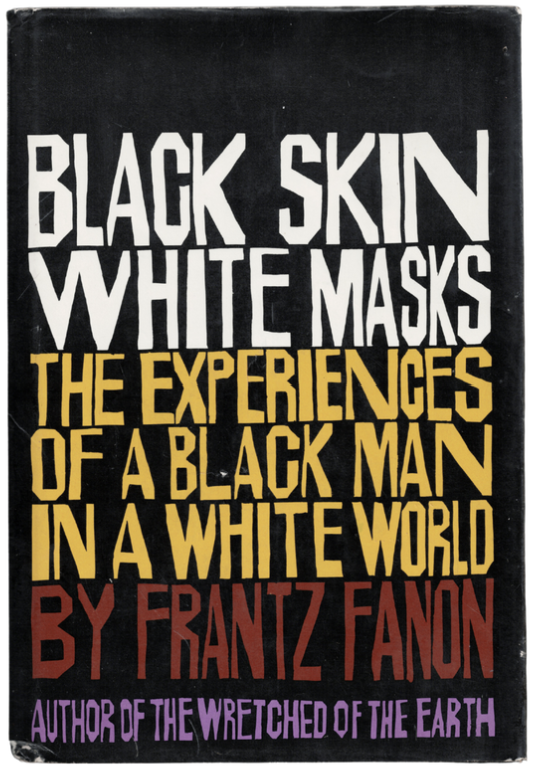
- By pairing Fanon’s theory with visceral photojournalism and film, this archive translates abstract concepts of "ontological lack" into visible, tangible stories of human grief and bureaucratic struggle.
- By organizing the research into distinct exhibits, this archive breaks down the dense theoretical concept of the migrant corpse into digestible, thematic modules, allowing a public audience to engage with academic theory through the familiar lenses of film, photography, and news.
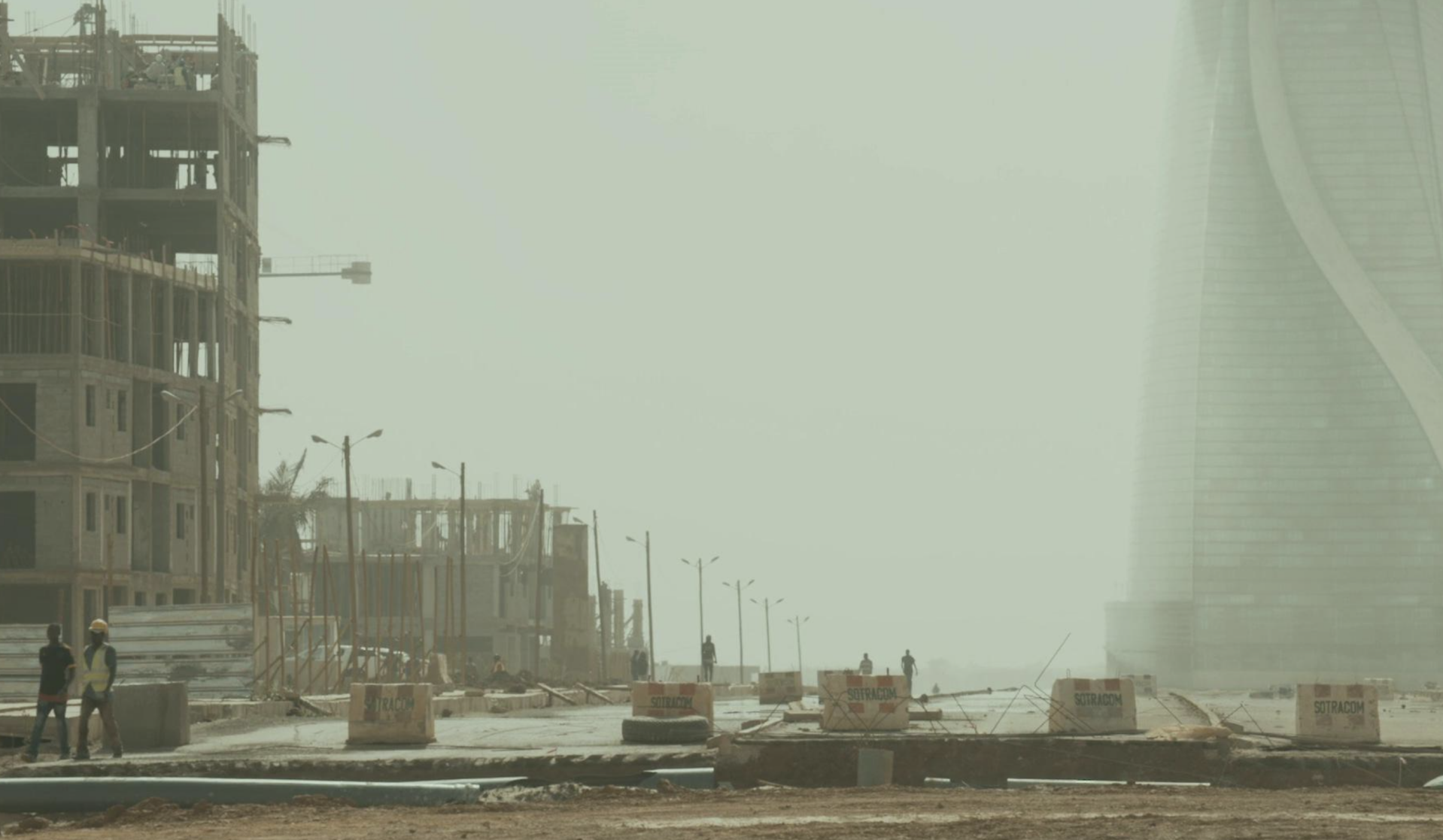
In each of these mediations, the migrant corpse either becomes ‘more than’ through creative presentation—highlighting the manifold identities and places of belonging carried by a migrant—or is oversimplified as a logistical dilemma, fixed in a numerical and transient status. Belonging is a deeply personal concept, prescribed by others but also felt by the individual. However, for the migrant corpse, it is exclusively negotiated by others, and the “right to rest” for the African diasporic body is often faced with numerous bureaucratic, financial, forensic, and geographic barriers, each of which play a role in dictating post-mortem legal status. Ultimately, these barriers suggest that the limits of national belonging are not just borders crossed in life, but boundaries that continues to reiterate the individual as forever transient even in the stillness of death.