Moving from the psychological fixation of the gaze to the forensic locale of the morgue, we now explore how the migrant corpse transforms from an abstract concept of otherness into a physical, unignorable weight. In this exhibit, the "right to rest" is no longer a philosophical inquiry, but a forensic necessity complicated by the search for a name, a family, and a final home.
"Adrift" - Renata Brito and Felipe Dana
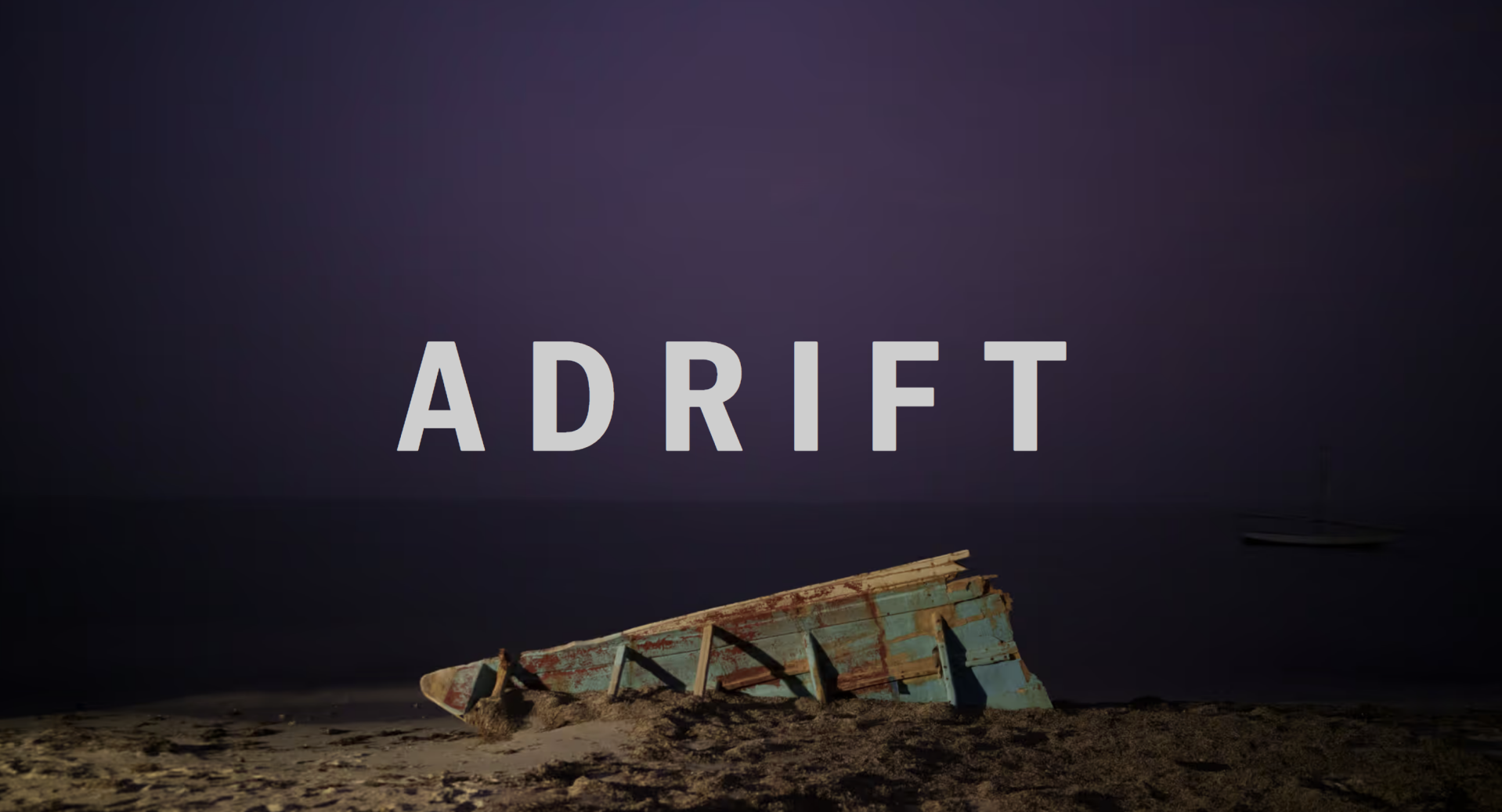
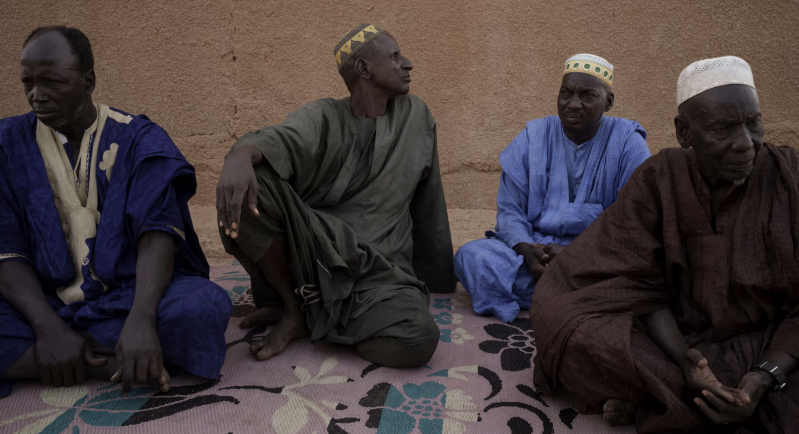
“Adrift” is a digital investigation carried out over two years by Felipe Dana and Renata Brito with the support of AP News. It traces the journey of a Mauritanian pirogue that drifted to the coast of Tobago after attempting to reach the Spanish Canary Islands. Of the 43 people who boarded the boat in January 2021, only 14 bodies and some skeletal remains were recovered 135 days later. Compiled into an interactive website and a 13-minute documentary, the project features photographs of recovered items, numbered morgue drawers, and portraits of some of the families left behind in Sélibaby, Mauritania.


Evidence bags and errant souls
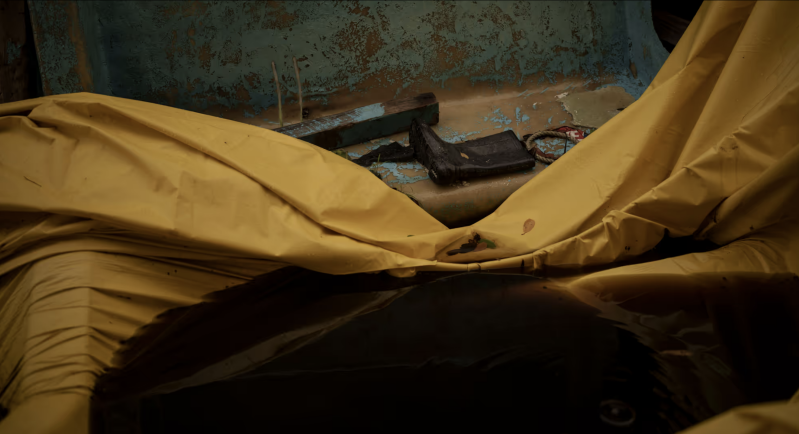
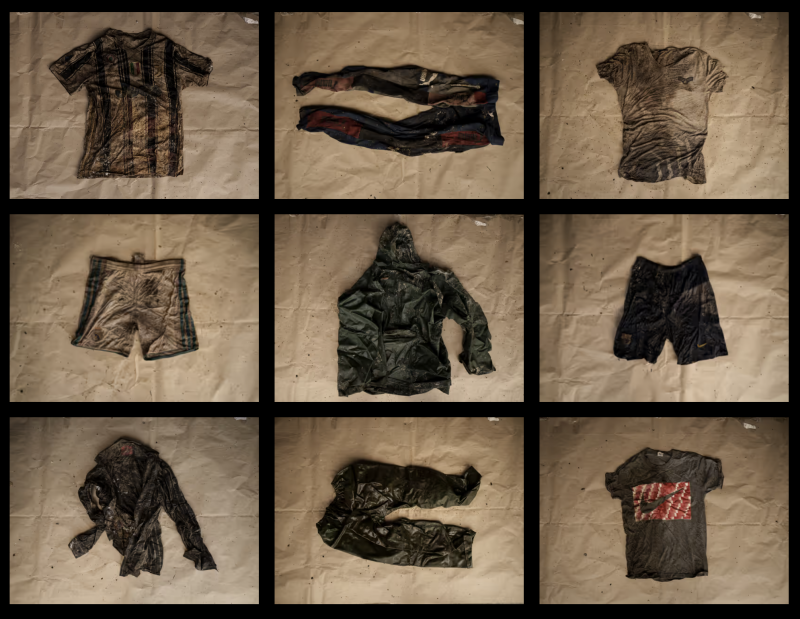
From the boat, local authorities recovered clothing, cellphones, and cash—items now kept in plastic evidence bags. To catalog these remnants, journalists spread each item of clothing on a brown paper background, handling them with blue latex gloves to take sterile, overhead shots. These items are some of the only remainders of the missing; however, by being relegated to lockers and laboratories rather than drawers or closets, they are forced into an unfeeling, lifeless existence. The boat itself remains on the side of the road near the coast where it was found, frozen in time alongside the souls of the missing. Through the investigation, these items stand in for the corpses, signaling subjectivity for those relegated to a forensic silence.



Unburied bodies
So far, only one of the bodies has been identified and buried: Alassane Sow. After his remains were finally identified, he was buried in Trinidad and Tobago—thousands of miles from his home in Mali and his relatives in France—while his family held prayers in absentia. For those whose remains are kept in the Forensic Science Center in Trinidad, a final resting place is still in question. These migrants exist in a state of limbo, neither alive nor buried, and therefore remain in transit even beyond death.