Atlantics, Mati Diop (2019)
Along the West African coast, thousands of migrants lose their lives to the Atlantic Ocean each year, their fates often going unreported. In this exhibit, we explore the unfortunate fate of the corpse at sea—not through the lens of a morgue, but through the void left behind. What remains when the sea denies the living a physical mark of death, and how can film and fiction expand the capabilities of the missing corpse?
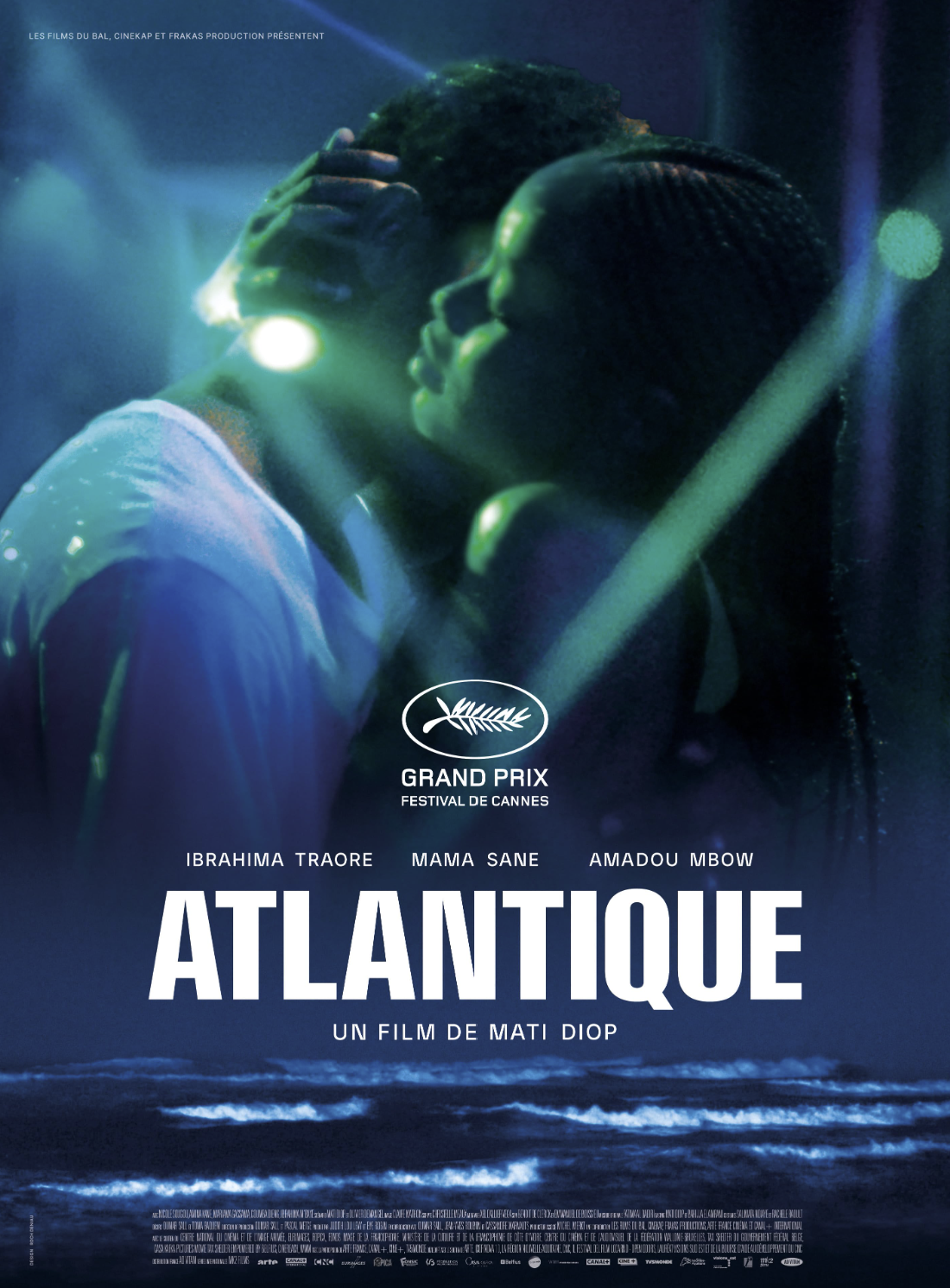
Cinema and the migrant body
Directed by Mati Diop and winner of the Grand Prix at the Cannes Film Festival in 2019, Atlantics is a supernatural drama set in Dakar, Senegal. Seen through the eyes of the women left behind, the film follows a group of construction workers who, after months without pay, take their chances on a boat headed for Europe. When they perish at sea, their spirits return to haunt the living. Rather than adhering to a traditional migration narrative, Diop uses the lens of haunting and possession to explore the echoes of those who are lost but refuse to be forgotten. In this film, the migrant body is physically absent, yet this supernatural intervention allows the dead to speak with an authority that resonates even louder than the voices they possessed in life.
Lost at sea
In Atlantics, the migrant corpse is defined not by its physical presence, but by its haunting absence. This lack of a physical trace transforms the Atlantic Ocean into an "unsettled, accumulative graveyard"—a “water of bodies” where the traditional work of mourning is disrupted (Price). Without the "dark authority" of a cadaver, neither the living nor the dead can find closure. For these traceless dead, return to the homeland is physically impossible, crystallizing their status as perpetual migrants for whom both the anticipated belonging of a life elsewhere and the solace of repatriation remain equally out of reach.


Spectral return
In lieu of physical repatriation, the film engages in a spectral return. The irrecuperable lives of the drowned men re-enter the material world by possessing the bodies of the women in their community. Through this possession, the spirits speak for themselves, demanding what they were denied in life: their unpaid wages and the dignity of a grave. By forcing their former employer to dig their burial sites in front of them, the spectral migrants negotiate for their "right to rest" beyond the grave, positing that the spirit can demand a place of belonging even when the body is lost to the deep.
Visual and Auditory Haunting
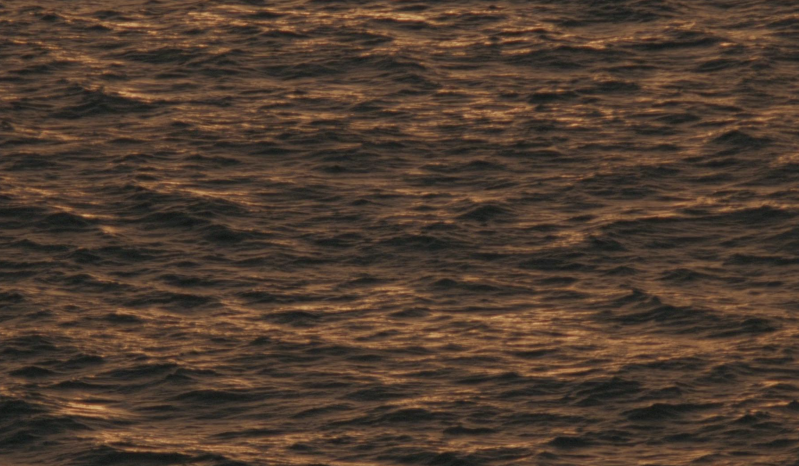
Diop uses cinematic elements to expand upon the themes of lost bodies and spirits in limbo. Visually, the sleek, new skyscraper built by the missing migrants looms over Dakar’s suburbs—a constant reminder of the labor and lives consumed by urban development. Auditorily, the film frequently lingers on the ocean, searching its sounds for the voices of the dead. When the credits roll, the film ends not with music, but with the sound of roiling ocean waves: repetitive, relentless, and meditative. This auditory haunting bridges the gap between the material world and the spectral realm. For the thousands of lives lost each year to the Atlantic, the ocean becomes a final resting place where the crashing waves serve as a constant reminder of their absence, their transience, and their ongoing quest for justice.